
What is HDPE ?
High Density Polyethylene (HDPE) is a type of polyethylene, a synthetic polymer made from the monomer ethylene. HDPE is known for its high strength-to-density ratio and is one of the most widely used plastics in the world. It is commonly used in a variety of applications, including packaging, construction and transportation.
HDPE is characterized by its high strength and stiffness, as well as its resistance to chemicals, UV radiation and environmental stress cracking. It is also highly resistant to moisture and water absorption, making it an ideal choice for outdoor applications. HDPE is also resistant to fatigue and wear, making it a durable material for a variety of applications.
The main advantages of HDPE is its versatility. It can be molded into a wide range of shapes and sizes and it can be used to create a variety of products, including pipes, containers and automotive parts. HDPE is also easy to process and can be welded, making it a popular choice for piping and infrastructure projects.
However, HDPE does have some limitations. It is not as strong as some other polymers, such as polycarbonate and it is not as heat resistant as some other plastics. It also has a relatively low melting point, which can make it difficult to work with in certain applications.
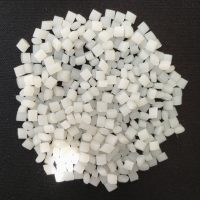
There are several different MFI levels available in HDPE moulding grade, including:
- Low MFI : Low MFI HDPE moulding grade has a low viscosity and is easy to flow. It is commonly used in applications that require fast processing speeds, such as injection molding and blow molding.
- Medium MFI : Medium MFI HDPE moulding grade has a moderate viscosity and is suitable for a wide range of applications. It is commonly used in the production of a variety of plastic products, such as bottles, containers and automotive parts.
- High MFI : High MFI HDPE moulding grade has a high viscosity and is difficult to flow. It is commonly used in applications that require high strength and stiffness, such as pipes and structural components.
Some of the application usage of HDPE are :
- Packaging : HDPE is commonly used to create packaging materials, such as bottles, containers and bags.
- Construction : HDPE is used in a variety of construction applications, including pipes, gutters and roofing membranes.
- Transportation : HDPE is used in the manufacture of automotive parts, such as fuel tanks and bumpers. It is also used to create parts for trains, buses and airplanes.
HDPE Raffia
HDPE raffia is a type of raffia that is made from high density polyethylene (HDPE), a synthetic polymer made from the monomer ethylene. HDPE raffia is known for its high strength, durability and resistance to UV radiation and environmental stress cracking. It is commonly used in a variety of applications, including packaging, agriculture and construction.
To make raffia from HDPE raffia grade, the pellets are melted and extruded through a small, circular die to create thin strands of plastic. The strands are then cooled and collected on a spool or reel. The collected strands are then woven or braided together to create the finished raffia material.
In the packaging industry, HDPE raffia is often used to create bags, sacks and wrapping materials. It is also used in the agriculture industry to create twine, ropes and netting. In the construction industry, HDPE raffia is used to create reinforcing materials, such as geogrids and geotextiles.
HDPE raffia is also used in a variety of other applications, including landscaping, automotive and marine. It is often used to create ropes, cords and webbing for these applications, due to its high strength and durability.

HDPE Pipe
HDPE pipe grade is a type of polyethylene (PE) plastic that is specifically designed for use in the construction of pipes. HDPE pipe grade is known for its high strength, toughness and resistance to chemicals and environmental stress cracking. It is also highly resistant to moisture and water absorption, making it an ideal choice for piping applications.
Pipes made from HDPE pipe grade are typically produced using the extrusion process, which involves melting the HDPE pipe grade resin and forcing it through a die to create a continuous tube of plastic. The tube of plastic is then cooled and cut into the desired length to create the finished pipe.
There are several varieties of HDPE pipe grade, including:
- PE100 : PE100 is the highest-strength and most pressure-resistant grade of HDPE pipe grade. It is commonly used in high-pressure piping applications, such as water and gas pipelines.
- PE80 : PE80 is a lower-strength grade of HDPE pipe grade that is commonly used in medium-pressure piping applications, such as irrigation and sewer lines.
- PE63 : PE63 is a lower-strength grade of HDPE pipe grade that is commonly used in low-pressure piping applications, such as drainage systems.
HDPE pipe grade is used in a variety of applications, including:
- Water and sewage systems : HDPE pipe grade is commonly used to create pipes for water and sewage systems due to its high strength and resistance to chemicals and environmental stress cracking.
- Gas pipelines : HDPE pipe grade is used to create pipes for natural gas and propane pipelines due to its high pressure resistance and corrosion resistance.
- Mining : HDPE pipe grade is used in mining applications to create pipes for slurry transport and to contain hazardous materials.
- Agricultural irrigation : HDPE pipe grade is used to create pipes for agricultural irrigation systems due to its resistance to corrosion and UV radiation.
HDPE Blow
HDPE blow grade is a type of polyethylene (PE) plastic that is specifically designed for use in blow molding, a manufacturing process that involves blowing hot, molten plastic into a mold to create a specific shape.
Some common types of containers that can be made from HDPE blow grade include:
- Bottles : HDPE blow grade is commonly used to create bottles for a variety of products, including personal care products, household cleaners and food and beverages.
- Jars : HDPE blow grade is used to create jars for a variety of products, including food products, cosmetics and household items.
- Pails : HDPE blow grade is used to create pails for a variety of products, including chemicals, paints and adhesives.
- Drums : HDPE blow grade is used to create drums for the storage and transport of liquids and powders.
HDPE Film
HDPE film grade is used in the production of thin, flexible films. Films made from HDPE film grade are typically produced using the extrusion process, which involves melting the HDPE film grade resin and forcing it through a die to create a continuous sheet of plastic. The sheet of plastic is then cooled and rolled onto a spool or reel for further processing or storage. HDPE film grade is used in a variety of applications, including:
- Packaging : HDPE film grade is commonly used to create packaging materials, such as bags, wraps and sheets.
- Agriculture : HDPE film grade is used to create mulch films, which are placed over soil to retain moisture and prevent weeds from growing. It is also used to create greenhouse films, which are used to cover greenhouses to create a controlled environment for plant growth.
- Construction : HDPE film grade is used in the production of construction materials, such as vapor barriers and moisture barriers.
- Consumer goods : HDPE film grade is used in the production of a wide range of consumer goods, such as trash bags, sandbags and shopping bags.
HD Moulding
HDPE moulding grade is used in the production of molded plastic products. There are several varieties of HDPE moulding grade, including:
- High strength HDPE moulding grade that is commonly used in high-strength plastic products such as automotive parts, such as fuel tanks and bumpers and outdoor furniture.
- Medium strength HDPE moulding grade that is commonly used in medium-strength plastic products, such as toys and household items.
- Lower strength HDPE moulding grade that is commonly used in low-strength plastic products, such as disposable cups and containers.
About Viztaar
Viztaar is a tech enabled marketplace that facilitates B2B commerce in bulk industrial raw materials.
By leveraging technology, Viztaar helps buyers find the best prices from sellers across the country thereby optimizing their purchases and improve their bottom line. Buyers get cheapest prices, assured quality and reliable deliveries thereby ensuring complete peace of mind in managing their supply chains through Viztaar.
For sellers, Viztaar provides easy access to buyers on a pan India basis without having to invest in costly sale and marketing functions, acting as their wide reaching distribution network where they can quickly sell their inventory, improve their volumes and focus on optimizing their cash flows.

About EQUATE
EQUATE, a global petrochemical powerhouse and the world’s second-largest producer of Ethylene Glycol, plays a pivotal role in providing essential products and sustainable solutions that form the foundation of everyday consumables. Positioned as a partner of choice for global customers, EQUATE actively engages with the communities it serves, supporting stakeholders in achieving their objectives and contributing to a better world.
The company stands as a beacon of best business practices, channeling investments into operational excellence and sustainable development, garnering international recognition for its achievements. EQUATE’s commitment to sustainability is articulated through its comprehensive strategy, encompassing 16 key initiatives slated for accomplishment by 2025. These initiatives span the creation of a sustainable work and operational environment, innovation for a renewable and sustainable energy industry, and positive contributions to the environment and local communities.

EQUATE Group reported total revenue of $3,947 MM in 2022, a 5% decrease compared to the same period last year. EBITDA Margin exceeding 31%, driven by improved prices, operational excellence and effective cost management.
What is HDPE ?
High Density Polyethylene (HDPE) is a type of polyethylene, a synthetic polymer made from the monomer ethylene. HDPE is known for its high strength-to-density ratio and is one of the most widely used plastics in the world. It is commonly used in a variety of applications, including packaging, construction and transportation.
HDPE is characterized by its high strength and stiffness, as well as its resistance to chemicals, UV radiation and environmental stress cracking. It is also highly resistant to moisture and water absorption, making it an ideal choice for outdoor applications. HDPE is also resistant to fatigue and wear, making it a durable material for a variety of applications.
The main advantages of HDPE is its versatility. It can be molded into a wide range of shapes and sizes and it can be used to create a variety of products, including pipes, containers and automotive parts. HDPE is also easy to process and can be welded, making it a popular choice for piping and infrastructure projects.
However, HDPE does have some limitations. It is not as strong as some other polymers, such as polycarbonate and it is not as heat resistant as some other plastics. It also has a relatively low melting point, which can make it difficult to work with in certain applications.
There are several different MFI levels available in HDPE moulding grade, including:
- Low MFI : Low MFI HDPE moulding grade has a low viscosity and is easy to flow. It is commonly used in applications that require fast processing speeds, such as injection molding and blow molding.
- Medium MFI : Medium MFI HDPE moulding grade has a moderate viscosity and is suitable for a wide range of applications. It is commonly used in the production of a variety of plastic products, such as bottles, containers and automotive parts.
- High MFI : High MFI HDPE moulding grade has a high viscosity and is difficult to flow. It is commonly used in applications that require high strength and stiffness, such as pipes and structural components.
Some of the application usage of HDPE are :
- Packaging : HDPE is commonly used to create packaging materials, such as bottles, containers and bags.
- Construction : HDPE is used in a variety of construction applications, including pipes, gutters and roofing membranes.
- Transportation : HDPE is used in the manufacture of automotive parts, such as fuel tanks and bumpers. It is also used to create parts for trains, buses and airplanes.
HDPE Raffia
HDPE raffia is a type of raffia that is made from high density polyethylene (HDPE), a synthetic polymer made from the monomer ethylene. HDPE raffia is known for its high strength, durability and resistance to UV radiation and environmental stress cracking. It is commonly used in a variety of applications, including packaging, agriculture and construction.
To make raffia from HDPE raffia grade, the pellets are melted and extruded through a small, circular die to create thin strands of plastic. The strands are then cooled and collected on a spool or reel. The collected strands are then woven or braided together to create the finished raffia material.
In the packaging industry, HDPE raffia is often used to create bags, sacks and wrapping materials. It is also used in the agriculture industry to create twine, ropes and netting. In the construction industry, HDPE raffia is used to create reinforcing materials, such as geogrids and geotextiles.
HDPE raffia is also used in a variety of other applications, including landscaping, automotive and marine. It is often used to create ropes, cords and webbing for these applications, due to its high strength and durability.
HDPE Pipe
HDPE pipe grade is a type of polyethylene (PE) plastic that is specifically designed for use in the construction of pipes. HDPE pipe grade is known for its high strength, toughness and resistance to chemicals and environmental stress cracking. It is also highly resistant to moisture and water absorption, making it an ideal choice for piping applications.
Pipes made from HDPE pipe grade are typically produced using the extrusion process, which involves melting the HDPE pipe grade resin and forcing it through a die to create a continuous tube of plastic. The tube of plastic is then cooled and cut into the desired length to create the finished pipe.
There are several varieties of HDPE pipe grade, including:
- PE100 : PE100 is the highest-strength and most pressure-resistant grade of HDPE pipe grade. It is commonly used in high-pressure piping applications, such as water and gas pipelines.
- PE80 : PE80 is a lower-strength grade of HDPE pipe grade that is commonly used in medium-pressure piping applications, such as irrigation and sewer lines.
- PE63 : PE63 is a lower-strength grade of HDPE pipe grade that is commonly used in low-pressure piping applications, such as drainage systems.
HDPE pipe grade is used in a variety of applications, including:
- Water and sewage systems : HDPE pipe grade is commonly used to create pipes for water and sewage systems due to its high strength and resistance to chemicals and environmental stress cracking.
- Gas pipelines : HDPE pipe grade is used to create pipes for natural gas and propane pipelines due to its high pressure resistance and corrosion resistance.
- Mining : HDPE pipe grade is used in mining applications to create pipes for slurry transport and to contain hazardous materials.
- Agricultural irrigation : HDPE pipe grade is used to create pipes for agricultural irrigation systems due to its resistance to corrosion and UV radiation.
HDPE Blow
HDPE blow grade is a type of polyethylene (PE) plastic that is specifically designed for use in blow molding, a manufacturing process that involves blowing hot, molten plastic into a mold to create a specific shape.
Some common types of containers that can be made from HDPE blow grade include:
- Bottles : HDPE blow grade is commonly used to create bottles for a variety of products, including personal care products, household cleaners and food and beverages.
- Jars : HDPE blow grade is used to create jars for a variety of products, including food products, cosmetics and household items.
- Pails : HDPE blow grade is used to create pails for a variety of products, including chemicals, paints and adhesives.
- Drums : HDPE blow grade is used to create drums for the storage and transport of liquids and powders.
HDPE Film
HDPE film grade is used in the production of thin, flexible films. Films made from HDPE film grade are typically produced using the extrusion process, which involves melting the HDPE film grade resin and forcing it through a die to create a continuous sheet of plastic. The sheet of plastic is then cooled and rolled onto a spool or reel for further processing or storage. HDPE film grade is used in a variety of applications, including:
- Packaging : HDPE film grade is commonly used to create packaging materials, such as bags, wraps and sheets.
- Agriculture : HDPE film grade is used to create mulch films, which are placed over soil to retain moisture and prevent weeds from growing. It is also used to create greenhouse films, which are used to cover greenhouses to create a controlled environment for plant growth.
- Construction : HDPE film grade is used in the production of construction materials, such as vapor barriers and moisture barriers.
- Consumer goods : HDPE film grade is used in the production of a wide range of consumer goods, such as trash bags, sandbags and shopping bags.
HD Moulding
HDPE moulding grade is used in the production of molded plastic products. There are several varieties of HDPE moulding grade, including:
- High strength HDPE moulding grade that is commonly used in high-strength plastic products such as automotive parts, such as fuel tanks and bumpers and outdoor furniture.
- Medium strength HDPE moulding grade that is commonly used in medium-strength plastic products, such as toys and household items.
- Lower strength HDPE moulding grade that is commonly used in low-strength plastic products, such as disposable cups and containers.
About Viztaar
Viztaar is a tech enabled marketplace that facilitates B2B commerce in bulk industrial raw materials.
By leveraging technology, Viztaar helps buyers find the best prices from sellers across the country thereby optimizing their purchases and improve their bottom line. Buyers get cheapest prices, assured quality and reliable deliveries thereby ensuring complete peace of mind in managing their supply chains through Viztaar.
For sellers, Viztaar provides easy access to buyers on a pan India basis without having to invest in costly sale and marketing functions, acting as their wide reaching distribution network where they can quickly sell their inventory, improve their volumes and focus on optimizing their cash flows.
About DaelimPoly
EQUATE, a global petrochemical powerhouse and the world’s second-largest producer of Ethylene Glycol, plays a pivotal role in providing essential products and sustainable solutions that form the foundation of everyday consumables. Positioned as a partner of choice for global customers, EQUATE actively engages with the communities it serves, supporting stakeholders in achieving their objectives and contributing to a better world.
The company stands as a beacon of best business practices, channeling investments into operational excellence and sustainable development, garnering international recognition for its achievements. EQUATE’s commitment to sustainability is articulated through its comprehensive strategy, encompassing 16 key initiatives slated for accomplishment by 2025. These initiatives span the creation of a sustainable work and operational environment, innovation for a renewable and sustainable energy industry, and positive contributions to the environment and local communities.
EQUATE Group reported total revenue of $3,947 MM in 2022, a 5% decrease compared to the same period last year. EBITDA Margin exceeding 31%, driven by improved prices, operational excellence and effective cost management.
What is HDPE ?
High Density Polyethylene (HDPE) is a type of polyethylene, a synthetic polymer made from the monomer ethylene. HDPE is known for its high strength-to-density ratio and is one of the most widely used plastics in the world. It is commonly used in a variety of applications, including packaging, construction and transportation.
HDPE is characterized by its high strength and stiffness, as well as its resistance to chemicals, UV radiation and environmental stress cracking. It is also highly resistant to moisture and water absorption, making it an ideal choice for outdoor applications. HDPE is also resistant to fatigue and wear, making it a durable material for a variety of applications.
The main advantages of HDPE is its versatility. It can be molded into a wide range of shapes and sizes and it can be used to create a variety of products, including pipes, containers and automotive parts. HDPE is also easy to process and can be welded, making it a popular choice for piping and infrastructure projects.
However, HDPE does have some limitations. It is not as strong as some other polymers, such as polycarbonate and it is not as heat resistant as some other plastics. It also has a relatively low melting point, which can make it difficult to work with in certain applications.
There are several different MFI levels available in HDPE moulding grade, including:
- Low MFI : Low MFI HDPE moulding grade has a low viscosity and is easy to flow. It is commonly used in applications that require fast processing speeds, such as injection molding and blow molding.
- Medium MFI : Medium MFI HDPE moulding grade has a moderate viscosity and is suitable for a wide range of applications. It is commonly used in the production of a variety of plastic products, such as bottles, containers and automotive parts.
- High MFI : High MFI HDPE moulding grade has a high viscosity and is difficult to flow. It is commonly used in applications that require high strength and stiffness, such as pipes and structural components.
Some of the application usage of HDPE are :
- Packaging : HDPE is commonly used to create packaging materials, such as bottles, containers and bags.
- Construction : HDPE is used in a variety of construction applications, including pipes, gutters and roofing membranes.
- Transportation : HDPE is used in the manufacture of automotive parts, such as fuel tanks and bumpers. It is also used to create parts for trains, buses and airplanes.
HDPE Raffia
HDPE raffia is a type of raffia that is made from high density polyethylene (HDPE), a synthetic polymer made from the monomer ethylene. HDPE raffia is known for its high strength, durability and resistance to UV radiation and environmental stress cracking. It is commonly used in a variety of applications, including packaging, agriculture and construction.
To make raffia from HDPE raffia grade, the pellets are melted and extruded through a small, circular die to create thin strands of plastic. The strands are then cooled and collected on a spool or reel. The collected strands are then woven or braided together to create the finished raffia material.
In the packaging industry, HDPE raffia is often used to create bags, sacks and wrapping materials. It is also used in the agriculture industry to create twine, ropes and netting. In the construction industry, HDPE raffia is used to create reinforcing materials, such as geogrids and geotextiles.
HDPE raffia is also used in a variety of other applications, including landscaping, automotive and marine. It is often used to create ropes, cords and webbing for these applications, due to its high strength and durability.
HDPE Pipe
HDPE pipe grade is a type of polyethylene (PE) plastic that is specifically designed for use in the construction of pipes. HDPE pipe grade is known for its high strength, toughness and resistance to chemicals and environmental stress cracking. It is also highly resistant to moisture and water absorption, making it an ideal choice for piping applications.
Pipes made from HDPE pipe grade are typically produced using the extrusion process, which involves melting the HDPE pipe grade resin and forcing it through a die to create a continuous tube of plastic. The tube of plastic is then cooled and cut into the desired length to create the finished pipe.
There are several varieties of HDPE pipe grade, including:
- PE100 : PE100 is the highest-strength and most pressure-resistant grade of HDPE pipe grade. It is commonly used in high-pressure piping applications, such as water and gas pipelines.
- PE80 : PE80 is a lower-strength grade of HDPE pipe grade that is commonly used in medium-pressure piping applications, such as irrigation and sewer lines.
- PE63 : PE63 is a lower-strength grade of HDPE pipe grade that is commonly used in low-pressure piping applications, such as drainage systems.
HDPE pipe grade is used in a variety of applications, including:
- Water and sewage systems : HDPE pipe grade is commonly used to create pipes for water and sewage systems due to its high strength and resistance to chemicals and environmental stress cracking.
- Gas pipelines : HDPE pipe grade is used to create pipes for natural gas and propane pipelines due to its high pressure resistance and corrosion resistance.
- Mining : HDPE pipe grade is used in mining applications to create pipes for slurry transport and to contain hazardous materials.
- Agricultural irrigation : HDPE pipe grade is used to create pipes for agricultural irrigation systems due to its resistance to corrosion and UV radiation.
HDPE Blow
HDPE blow grade is a type of polyethylene (PE) plastic that is specifically designed for use in blow molding, a manufacturing process that involves blowing hot, molten plastic into a mold to create a specific shape.
Some common types of containers that can be made from HDPE blow grade include:
- Bottles : HDPE blow grade is commonly used to create bottles for a variety of products, including personal care products, household cleaners and food and beverages.
- Jars : HDPE blow grade is used to create jars for a variety of products, including food products, cosmetics and household items.
- Pails : HDPE blow grade is used to create pails for a variety of products, including chemicals, paints and adhesives.
- Drums : HDPE blow grade is used to create drums for the storage and transport of liquids and powders.
HDPE Film
HDPE film grade is used in the production of thin, flexible films. Films made from HDPE film grade are typically produced using the extrusion process, which involves melting the HDPE film grade resin and forcing it through a die to create a continuous sheet of plastic. The sheet of plastic is then cooled and rolled onto a spool or reel for further processing or storage. HDPE film grade is used in a variety of applications, including:
- Packaging : HDPE film grade is commonly used to create packaging materials, such as bags, wraps and sheets.
- Agriculture : HDPE film grade is used to create mulch films, which are placed over soil to retain moisture and prevent weeds from growing. It is also used to create greenhouse films, which are used to cover greenhouses to create a controlled environment for plant growth.
- Construction : HDPE film grade is used in the production of construction materials, such as vapor barriers and moisture barriers.
- Consumer goods : HDPE film grade is used in the production of a wide range of consumer goods, such as trash bags, sandbags and shopping bags.
HD Moulding
HDPE moulding grade is used in the production of molded plastic products. There are several varieties of HDPE moulding grade, including:
- High strength HDPE moulding grade that is commonly used in high-strength plastic products such as automotive parts, such as fuel tanks and bumpers and outdoor furniture.
- Medium strength HDPE moulding grade that is commonly used in medium-strength plastic products, such as toys and household items.
- Lower strength HDPE moulding grade that is commonly used in low-strength plastic products, such as disposable cups and containers.
About Viztaar
Viztaar is a tech enabled marketplace that facilitates B2B commerce in bulk industrial raw materials.
By leveraging technology, Viztaar helps buyers find the best prices from sellers across the country thereby optimizing their purchases and improve their bottom line. Buyers get cheapest prices, assured quality and reliable deliveries thereby ensuring complete peace of mind in managing their supply chains through Viztaar.
For sellers, Viztaar provides easy access to buyers on a pan India basis without having to invest in costly sale and marketing functions, acting as their wide reaching distribution network where they can quickly sell their inventory, improve their volumes and focus on optimizing their cash flows.
About DaelimPoly
DaelimPoly, a distinguished player in the polymer industry, stands as a testament to innovation and excellence. DAELIM CORPORATION founded in Oct 1996, with a vision for technological advancement, the company has steadily grown since its inception. DaelimPoly has its headquarters located in Seoul, Korea. With a robust foundation and commitment to quality, the company has become a global leader in the production and distribution of polymer products. Leveraging state-of-the-art manufacturing facilities and a team of skilled professionals, DaelimPoly is known for its adherence to stringent quality standards and a customer-centric approach. The company’s operations extend globally, serving diverse industries with a comprehensive range of high-performance polymer solutions.
DaelimPoly has cultivated a rich portfolio of brands and products that exemplify its commitment to meeting the diverse needs of its customers. From engineering polymers to specialty resins, the company offers a wide array of high-quality and innovative solutions. DaelimPoly’s product range caters to various industries, including automotive, packaging, electronics and construction. The company’s brands are recognized for their reliability and superior performance, reflecting DaelimPoly’s dedication to technological advancements and customer satisfaction. With a focus on sustainability, the company continues to develop cutting-edge polymer products that align with global trends and environmental considerations.

In 2022, Vinmar International reached its zenith, achieving a peak revenue of $350.9 million, a testament to the company’s strategic acumen, global market presence, and steadfast commitment to delivering unparalleled value in the plastics and chemicals trading industry.
What is HDPE ?
High Density Polyethylene (HDPE) is a type of polyethylene, a synthetic polymer made from the monomer ethylene. HDPE is known for its high strength-to-density ratio and is one of the most widely used plastics in the world. It is commonly used in a variety of applications, including packaging, construction and transportation.
HDPE is characterized by its high strength and stiffness, as well as its resistance to chemicals, UV radiation and environmental stress cracking. It is also highly resistant to moisture and water absorption, making it an ideal choice for outdoor applications. HDPE is also resistant to fatigue and wear, making it a durable material for a variety of applications.
The main advantages of HDPE is its versatility. It can be molded into a wide range of shapes and sizes and it can be used to create a variety of products, including pipes, containers and automotive parts. HDPE is also easy to process and can be welded, making it a popular choice for piping and infrastructure projects.
However, HDPE does have some limitations. It is not as strong as some other polymers, such as polycarbonate and it is not as heat resistant as some other plastics. It also has a relatively low melting point, which can make it difficult to work with in certain applications.
There are several different MFI levels available in HDPE moulding grade, including:
- Low MFI : Low MFI HDPE moulding grade has a low viscosity and is easy to flow. It is commonly used in applications that require fast processing speeds, such as injection molding and blow molding.
- Medium MFI : Medium MFI HDPE moulding grade has a moderate viscosity and is suitable for a wide range of applications. It is commonly used in the production of a variety of plastic products, such as bottles, containers and automotive parts.
- High MFI : High MFI HDPE moulding grade has a high viscosity and is difficult to flow. It is commonly used in applications that require high strength and stiffness, such as pipes and structural components.
Some of the application usage of HDPE are :
- Packaging : HDPE is commonly used to create packaging materials, such as bottles, containers and bags.
- Construction : HDPE is used in a variety of construction applications, including pipes, gutters and roofing membranes.
- Transportation : HDPE is used in the manufacture of automotive parts, such as fuel tanks and bumpers. It is also used to create parts for trains, buses and airplanes.
HDPE Raffia
HDPE raffia is a type of raffia that is made from high density polyethylene (HDPE), a synthetic polymer made from the monomer ethylene. HDPE raffia is known for its high strength, durability and resistance to UV radiation and environmental stress cracking. It is commonly used in a variety of applications, including packaging, agriculture and construction.
To make raffia from HDPE raffia grade, the pellets are melted and extruded through a small, circular die to create thin strands of plastic. The strands are then cooled and collected on a spool or reel. The collected strands are then woven or braided together to create the finished raffia material.
In the packaging industry, HDPE raffia is often used to create bags, sacks and wrapping materials. It is also used in the agriculture industry to create twine, ropes and netting. In the construction industry, HDPE raffia is used to create reinforcing materials, such as geogrids and geotextiles.
HDPE raffia is also used in a variety of other applications, including landscaping, automotive and marine. It is often used to create ropes, cords and webbing for these applications, due to its high strength and durability.
HDPE Pipe
HDPE pipe grade is a type of polyethylene (PE) plastic that is specifically designed for use in the construction of pipes. HDPE pipe grade is known for its high strength, toughness and resistance to chemicals and environmental stress cracking. It is also highly resistant to moisture and water absorption, making it an ideal choice for piping applications.
Pipes made from HDPE pipe grade are typically produced using the extrusion process, which involves melting the HDPE pipe grade resin and forcing it through a die to create a continuous tube of plastic. The tube of plastic is then cooled and cut into the desired length to create the finished pipe.
There are several varieties of HDPE pipe grade, including:
- PE100 : PE100 is the highest-strength and most pressure-resistant grade of HDPE pipe grade. It is commonly used in high-pressure piping applications, such as water and gas pipelines.
- PE80 : PE80 is a lower-strength grade of HDPE pipe grade that is commonly used in medium-pressure piping applications, such as irrigation and sewer lines.
- PE63 : PE63 is a lower-strength grade of HDPE pipe grade that is commonly used in low-pressure piping applications, such as drainage systems.
HDPE pipe grade is used in a variety of applications, including:
- Water and sewage systems : HDPE pipe grade is commonly used to create pipes for water and sewage systems due to its high strength and resistance to chemicals and environmental stress cracking.
- Gas pipelines : HDPE pipe grade is used to create pipes for natural gas and propane pipelines due to its high pressure resistance and corrosion resistance.
- Mining : HDPE pipe grade is used in mining applications to create pipes for slurry transport and to contain hazardous materials.
- Agricultural irrigation : HDPE pipe grade is used to create pipes for agricultural irrigation systems due to its resistance to corrosion and UV radiation.
HDPE Blow
HDPE blow grade is a type of polyethylene (PE) plastic that is specifically designed for use in blow molding, a manufacturing process that involves blowing hot, molten plastic into a mold to create a specific shape.
Some common types of containers that can be made from HDPE blow grade include:
- Bottles : HDPE blow grade is commonly used to create bottles for a variety of products, including personal care products, household cleaners and food and beverages.
- Jars : HDPE blow grade is used to create jars for a variety of products, including food products, cosmetics and household items.
- Pails : HDPE blow grade is used to create pails for a variety of products, including chemicals, paints and adhesives.
- Drums : HDPE blow grade is used to create drums for the storage and transport of liquids and powders.
HDPE Film
HDPE film grade is used in the production of thin, flexible films. Films made from HDPE film grade are typically produced using the extrusion process, which involves melting the HDPE film grade resin and forcing it through a die to create a continuous sheet of plastic. The sheet of plastic is then cooled and rolled onto a spool or reel for further processing or storage. HDPE film grade is used in a variety of applications, including:
- Packaging : HDPE film grade is commonly used to create packaging materials, such as bags, wraps and sheets.
- Agriculture : HDPE film grade is used to create mulch films, which are placed over soil to retain moisture and prevent weeds from growing. It is also used to create greenhouse films, which are used to cover greenhouses to create a controlled environment for plant growth.
- Construction : HDPE film grade is used in the production of construction materials, such as vapor barriers and moisture barriers.
- Consumer goods : HDPE film grade is used in the production of a wide range of consumer goods, such as trash bags, sandbags and shopping bags.
HD Moulding
HDPE moulding grade is used in the production of molded plastic products. There are several varieties of HDPE moulding grade, including:
- High strength HDPE moulding grade that is commonly used in high-strength plastic products such as automotive parts, such as fuel tanks and bumpers and outdoor furniture.
- Medium strength HDPE moulding grade that is commonly used in medium-strength plastic products, such as toys and household items.
- Lower strength HDPE moulding grade that is commonly used in low-strength plastic products, such as disposable cups and containers.
About Viztaar
Viztaar is a tech enabled marketplace that facilitates B2B commerce in bulk industrial raw materials.
By leveraging technology, Viztaar helps buyers find the best prices from sellers across the country thereby optimizing their purchases and improve their bottom line. Buyers get cheapest prices, assured quality and reliable deliveries thereby ensuring complete peace of mind in managing their supply chains through Viztaar.
For sellers, Viztaar provides easy access to buyers on a pan India basis without having to invest in costly sale and marketing functions, acting as their wide reaching distribution network where they can quickly sell their inventory, improve their volumes and focus on optimizing their cash flows.
About DaelimPoly
DaelimPoly, a distinguished player in the polymer industry, stands as a testament to innovation and excellence. DAELIM CORPORATION founded in Oct 1996, with a vision for technological advancement, the company has steadily grown since its inception. DaelimPoly has its headquarters located in Seoul, Korea. With a robust foundation and commitment to quality, the company has become a global leader in the production and distribution of polymer products. Leveraging state-of-the-art manufacturing facilities and a team of skilled professionals, DaelimPoly is known for its adherence to stringent quality standards and a customer-centric approach. The company’s operations extend globally, serving diverse industries with a comprehensive range of high-performance polymer solutions.
DaelimPoly has cultivated a rich portfolio of brands and products that exemplify its commitment to meeting the diverse needs of its customers. From engineering polymers to specialty resins, the company offers a wide array of high-quality and innovative solutions. DaelimPoly’s product range caters to various industries, including automotive, packaging, electronics and construction. The company’s brands are recognized for their reliability and superior performance, reflecting DaelimPoly’s dedication to technological advancements and customer satisfaction. With a focus on sustainability, the company continues to develop cutting-edge polymer products that align with global trends and environmental considerations.
In 2022, the sales revenue of South Korean engineering and construction firm Daelim Industrial amounted to around 5.17 trillion South Korean won., a testament to the company’s strategic acumen, global market presence, and steadfast commitment to delivering unparalleled value in the plastics and chemicals trading industry.
What is HDPE ?
High Density Polyethylene (HDPE) is a type of polyethylene, a synthetic polymer made from the monomer ethylene. HDPE is known for its high strength-to-density ratio and is one of the most widely used plastics in the world. It is commonly used in a variety of applications, including packaging, construction and transportation.
HDPE is characterized by its high strength and stiffness, as well as its resistance to chemicals, UV radiation and environmental stress cracking. It is also highly resistant to moisture and water absorption, making it an ideal choice for outdoor applications. HDPE is also resistant to fatigue and wear, making it a durable material for a variety of applications.
The main advantages of HDPE is its versatility. It can be molded into a wide range of shapes and sizes and it can be used to create a variety of products, including pipes, containers and automotive parts. HDPE is also easy to process and can be welded, making it a popular choice for piping and infrastructure projects.
However, HDPE does have some limitations. It is not as strong as some other polymers, such as polycarbonate and it is not as heat resistant as some other plastics. It also has a relatively low melting point, which can make it difficult to work with in certain applications.
There are several different MFI levels available in HDPE moulding grade, including:
- Low MFI : Low MFI HDPE moulding grade has a low viscosity and is easy to flow. It is commonly used in applications that require fast processing speeds, such as injection molding and blow molding.
- Medium MFI : Medium MFI HDPE moulding grade has a moderate viscosity and is suitable for a wide range of applications. It is commonly used in the production of a variety of plastic products, such as bottles, containers and automotive parts.
- High MFI : High MFI HDPE moulding grade has a high viscosity and is difficult to flow. It is commonly used in applications that require high strength and stiffness, such as pipes and structural components.
Some of the application usage of HDPE are :
- Packaging : HDPE is commonly used to create packaging materials, such as bottles, containers and bags.
- Construction : HDPE is used in a variety of construction applications, including pipes, gutters and roofing membranes.
- Transportation : HDPE is used in the manufacture of automotive parts, such as fuel tanks and bumpers. It is also used to create parts for trains, buses and airplanes.
HDPE Raffia
HDPE raffia is a type of raffia that is made from high density polyethylene (HDPE), a synthetic polymer made from the monomer ethylene. HDPE raffia is known for its high strength, durability and resistance to UV radiation and environmental stress cracking. It is commonly used in a variety of applications, including packaging, agriculture and construction.
To make raffia from HDPE raffia grade, the pellets are melted and extruded through a small, circular die to create thin strands of plastic. The strands are then cooled and collected on a spool or reel. The collected strands are then woven or braided together to create the finished raffia material.
In the packaging industry, HDPE raffia is often used to create bags, sacks and wrapping materials. It is also used in the agriculture industry to create twine, ropes and netting. In the construction industry, HDPE raffia is used to create reinforcing materials, such as geogrids and geotextiles.
HDPE raffia is also used in a variety of other applications, including landscaping, automotive and marine. It is often used to create ropes, cords and webbing for these applications, due to its high strength and durability.
HDPE Pipe
HDPE pipe grade is a type of polyethylene (PE) plastic that is specifically designed for use in the construction of pipes. HDPE pipe grade is known for its high strength, toughness and resistance to chemicals and environmental stress cracking. It is also highly resistant to moisture and water absorption, making it an ideal choice for piping applications.
Pipes made from HDPE pipe grade are typically produced using the extrusion process, which involves melting the HDPE pipe grade resin and forcing it through a die to create a continuous tube of plastic. The tube of plastic is then cooled and cut into the desired length to create the finished pipe.
There are several varieties of HDPE pipe grade, including:
- PE100 : PE100 is the highest-strength and most pressure-resistant grade of HDPE pipe grade. It is commonly used in high-pressure piping applications, such as water and gas pipelines.
- PE80 : PE80 is a lower-strength grade of HDPE pipe grade that is commonly used in medium-pressure piping applications, such as irrigation and sewer lines.
- PE63 : PE63 is a lower-strength grade of HDPE pipe grade that is commonly used in low-pressure piping applications, such as drainage systems.
HDPE pipe grade is used in a variety of applications, including:
- Water and sewage systems : HDPE pipe grade is commonly used to create pipes for water and sewage systems due to its high strength and resistance to chemicals and environmental stress cracking.
- Gas pipelines : HDPE pipe grade is used to create pipes for natural gas and propane pipelines due to its high pressure resistance and corrosion resistance.
- Mining : HDPE pipe grade is used in mining applications to create pipes for slurry transport and to contain hazardous materials.
- Agricultural irrigation : HDPE pipe grade is used to create pipes for agricultural irrigation systems due to its resistance to corrosion and UV radiation.
HDPE Blow
HDPE blow grade is a type of polyethylene (PE) plastic that is specifically designed for use in blow molding, a manufacturing process that involves blowing hot, molten plastic into a mold to create a specific shape.
Some common types of containers that can be made from HDPE blow grade include:
- Bottles : HDPE blow grade is commonly used to create bottles for a variety of products, including personal care products, household cleaners and food and beverages.
- Jars : HDPE blow grade is used to create jars for a variety of products, including food products, cosmetics and household items.
- Pails : HDPE blow grade is used to create pails for a variety of products, including chemicals, paints and adhesives.
- Drums : HDPE blow grade is used to create drums for the storage and transport of liquids and powders.
HDPE Film
HDPE film grade is used in the production of thin, flexible films. Films made from HDPE film grade are typically produced using the extrusion process, which involves melting the HDPE film grade resin and forcing it through a die to create a continuous sheet of plastic. The sheet of plastic is then cooled and rolled onto a spool or reel for further processing or storage. HDPE film grade is used in a variety of applications, including:
- Packaging : HDPE film grade is commonly used to create packaging materials, such as bags, wraps and sheets.
- Agriculture : HDPE film grade is used to create mulch films, which are placed over soil to retain moisture and prevent weeds from growing. It is also used to create greenhouse films, which are used to cover greenhouses to create a controlled environment for plant growth.
- Construction : HDPE film grade is used in the production of construction materials, such as vapor barriers and moisture barriers.
- Consumer goods : HDPE film grade is used in the production of a wide range of consumer goods, such as trash bags, sandbags and shopping bags.
HD Moulding
HDPE moulding grade is used in the production of molded plastic products. There are several varieties of HDPE moulding grade, including:
- High strength HDPE moulding grade that is commonly used in high-strength plastic products such as automotive parts, such as fuel tanks and bumpers and outdoor furniture.
- Medium strength HDPE moulding grade that is commonly used in medium-strength plastic products, such as toys and household items.
- Lower strength HDPE moulding grade that is commonly used in low-strength plastic products, such as disposable cups and containers.
About Viztaar
Viztaar is a tech enabled marketplace that facilitates B2B commerce in bulk industrial raw materials.
By leveraging technology, Viztaar helps buyers find the best prices from sellers across the country thereby optimizing their purchases and improve their bottom line. Buyers get cheapest prices, assured quality and reliable deliveries thereby ensuring complete peace of mind in managing their supply chains through Viztaar.
For sellers, Viztaar provides easy access to buyers on a pan India basis without having to invest in costly sale and marketing functions, acting as their wide reaching distribution network where they can quickly sell their inventory, improve their volumes and focus on optimizing their cash flows.
About DOW
Dow Inc., a global leader in materials science, is a diversified chemical company with a rich history dating back to its founding in 1897. Headquartered in Midland, Michigan, Dow has grown into a Fortune 100 company, operating in various segments such as Packaging & Specialty Plastics, Industrial Intermediates & Infrastructure, Performance Materials & Coatings, and Agriculture & Specialty Products. With a commitment to driving innovation and sustainability, Dow plays a pivotal role in addressing the world’s most pressing challenges, providing solutions for a wide range of industries, including packaging, infrastructure, transportation, and consumer care. The company’s global reach extends to more than 175 countries, reflecting its dedication to serving diverse markets and contributing to the advancement of science and technology.
Dow is renowned for a diverse portfolio of brands and products that cater to an array of industries. In the Packaging & Specialty Plastics segment, Dow offers solutions such as innovative packaging materials and specialty plastics, contributing to enhanced sustainability and performance. In Industrial Intermediates & Infrastructure, the company provides chemicals crucial for manufacturing processes and infrastructure development. The Performance Materials & Coatings segment delivers advanced materials for various applications, including automotive, electronics, and coatings. Additionally, Dow’s Agriculture & Specialty Products segment focuses on providing solutions to enhance agricultural productivity and address evolving consumer needs.

In 2022, Dow generated nearly 57 billion U.S. dollars of revenue, a growth of 3.5 percent in comparison to the previous year.
What is HDPE ?
High Density Polyethylene (HDPE) is a type of polyethylene, a synthetic polymer made from the monomer ethylene. HDPE is known for its high strength-to-density ratio and is one of the most widely used plastics in the world. It is commonly used in a variety of applications, including packaging, construction and transportation.
HDPE is characterized by its high strength and stiffness, as well as its resistance to chemicals, UV radiation and environmental stress cracking. It is also highly resistant to moisture and water absorption, making it an ideal choice for outdoor applications. HDPE is also resistant to fatigue and wear, making it a durable material for a variety of applications.
The main advantages of HDPE is its versatility. It can be molded into a wide range of shapes and sizes and it can be used to create a variety of products, including pipes, containers and automotive parts. HDPE is also easy to process and can be welded, making it a popular choice for piping and infrastructure projects.
However, HDPE does have some limitations. It is not as strong as some other polymers, such as polycarbonate and it is not as heat resistant as some other plastics. It also has a relatively low melting point, which can make it difficult to work with in certain applications.
There are several different MFI levels available in HDPE moulding grade, including:
- Low MFI : Low MFI HDPE moulding grade has a low viscosity and is easy to flow. It is commonly used in applications that require fast processing speeds, such as injection molding and blow molding.
- Medium MFI : Medium MFI HDPE moulding grade has a moderate viscosity and is suitable for a wide range of applications. It is commonly used in the production of a variety of plastic products, such as bottles, containers and automotive parts.
- High MFI : High MFI HDPE moulding grade has a high viscosity and is difficult to flow. It is commonly used in applications that require high strength and stiffness, such as pipes and structural components.
Some of the application usage of HDPE are :
- Packaging : HDPE is commonly used to create packaging materials, such as bottles, containers and bags.
- Construction : HDPE is used in a variety of construction applications, including pipes, gutters and roofing membranes.
- Transportation : HDPE is used in the manufacture of automotive parts, such as fuel tanks and bumpers. It is also used to create parts for trains, buses and airplanes.
HDPE Raffia
HDPE raffia is a type of raffia that is made from high density polyethylene (HDPE), a synthetic polymer made from the monomer ethylene. HDPE raffia is known for its high strength, durability and resistance to UV radiation and environmental stress cracking. It is commonly used in a variety of applications, including packaging, agriculture and construction.
To make raffia from HDPE raffia grade, the pellets are melted and extruded through a small, circular die to create thin strands of plastic. The strands are then cooled and collected on a spool or reel. The collected strands are then woven or braided together to create the finished raffia material.
In the packaging industry, HDPE raffia is often used to create bags, sacks and wrapping materials. It is also used in the agriculture industry to create twine, ropes and netting. In the construction industry, HDPE raffia is used to create reinforcing materials, such as geogrids and geotextiles.
HDPE raffia is also used in a variety of other applications, including landscaping, automotive and marine. It is often used to create ropes, cords and webbing for these applications, due to its high strength and durability.
HDPE Pipe
HDPE pipe grade is a type of polyethylene (PE) plastic that is specifically designed for use in the construction of pipes. HDPE pipe grade is known for its high strength, toughness and resistance to chemicals and environmental stress cracking. It is also highly resistant to moisture and water absorption, making it an ideal choice for piping applications.
Pipes made from HDPE pipe grade are typically produced using the extrusion process, which involves melting the HDPE pipe grade resin and forcing it through a die to create a continuous tube of plastic. The tube of plastic is then cooled and cut into the desired length to create the finished pipe.
There are several varieties of HDPE pipe grade, including:
- PE100 : PE100 is the highest-strength and most pressure-resistant grade of HDPE pipe grade. It is commonly used in high-pressure piping applications, such as water and gas pipelines.
- PE80 : PE80 is a lower-strength grade of HDPE pipe grade that is commonly used in medium-pressure piping applications, such as irrigation and sewer lines.
- PE63 : PE63 is a lower-strength grade of HDPE pipe grade that is commonly used in low-pressure piping applications, such as drainage systems.
HDPE pipe grade is used in a variety of applications, including:
- Water and sewage systems : HDPE pipe grade is commonly used to create pipes for water and sewage systems due to its high strength and resistance to chemicals and environmental stress cracking.
- Gas pipelines : HDPE pipe grade is used to create pipes for natural gas and propane pipelines due to its high pressure resistance and corrosion resistance.
- Mining : HDPE pipe grade is used in mining applications to create pipes for slurry transport and to contain hazardous materials.
- Agricultural irrigation : HDPE pipe grade is used to create pipes for agricultural irrigation systems due to its resistance to corrosion and UV radiation.
HDPE Blow
HDPE blow grade is a type of polyethylene (PE) plastic that is specifically designed for use in blow molding, a manufacturing process that involves blowing hot, molten plastic into a mold to create a specific shape.
Some common types of containers that can be made from HDPE blow grade include:
- Bottles : HDPE blow grade is commonly used to create bottles for a variety of products, including personal care products, household cleaners and food and beverages.
- Jars : HDPE blow grade is used to create jars for a variety of products, including food products, cosmetics and household items.
- Pails : HDPE blow grade is used to create pails for a variety of products, including chemicals, paints and adhesives.
- Drums : HDPE blow grade is used to create drums for the storage and transport of liquids and powders.
HDPE Film
HDPE film grade is used in the production of thin, flexible films. Films made from HDPE film grade are typically produced using the extrusion process, which involves melting the HDPE film grade resin and forcing it through a die to create a continuous sheet of plastic. The sheet of plastic is then cooled and rolled onto a spool or reel for further processing or storage. HDPE film grade is used in a variety of applications, including:
- Packaging : HDPE film grade is commonly used to create packaging materials, such as bags, wraps and sheets.
- Agriculture : HDPE film grade is used to create mulch films, which are placed over soil to retain moisture and prevent weeds from growing. It is also used to create greenhouse films, which are used to cover greenhouses to create a controlled environment for plant growth.
- Construction : HDPE film grade is used in the production of construction materials, such as vapor barriers and moisture barriers.
- Consumer goods : HDPE film grade is used in the production of a wide range of consumer goods, such as trash bags, sandbags and shopping bags.
HD Moulding
HDPE moulding grade is used in the production of molded plastic products. There are several varieties of HDPE moulding grade, including:
- High strength HDPE moulding grade that is commonly used in high-strength plastic products such as automotive parts, such as fuel tanks and bumpers and outdoor furniture.
- Medium strength HDPE moulding grade that is commonly used in medium-strength plastic products, such as toys and household items.
- Lower strength HDPE moulding grade that is commonly used in low-strength plastic products, such as disposable cups and containers.
About Viztaar
Viztaar is a tech enabled marketplace that facilitates B2B commerce in bulk industrial raw materials.
By leveraging technology, Viztaar helps buyers find the best prices from sellers across the country thereby optimizing their purchases and improve their bottom line. Buyers get cheapest prices, assured quality and reliable deliveries thereby ensuring complete peace of mind in managing their supply chains through Viztaar.
For sellers, Viztaar provides easy access to buyers on a pan India basis without having to invest in costly sale and marketing functions, acting as their wide reaching distribution network where they can quickly sell their inventory, improve their volumes and focus on optimizing their cash flows.
About DOW
Dow Inc., a global leader in materials science, is a diversified chemical company with a rich history dating back to its founding in 1897. Headquartered in Midland, Michigan, Dow has grown into a Fortune 100 company, operating in various segments such as Packaging & Specialty Plastics, Industrial Intermediates & Infrastructure, Performance Materials & Coatings, and Agriculture & Specialty Products. With a commitment to driving innovation and sustainability, Dow plays a pivotal role in addressing the world’s most pressing challenges, providing solutions for a wide range of industries, including packaging, infrastructure, transportation, and consumer care. The company’s global reach extends to more than 175 countries, reflecting its dedication to serving diverse markets and contributing to the advancement of science and technology.
Dow is renowned for a diverse portfolio of brands and products that cater to an array of industries. In the Packaging & Specialty Plastics segment, Dow offers solutions such as innovative packaging materials and specialty plastics, contributing to enhanced sustainability and performance. In Industrial Intermediates & Infrastructure, the company provides chemicals crucial for manufacturing processes and infrastructure development. The Performance Materials & Coatings segment delivers advanced materials for various applications, including automotive, electronics, and coatings. Additionally, Dow’s Agriculture & Specialty Products segment focuses on providing solutions to enhance agricultural productivity and address evolving consumer needs.
In 2022, Dow generated nearly 57 billion U.S. dollars of revenue, a growth of 3.5 percent in comparison to the previous year.
What is HDPE ?
High Density Polyethylene (HDPE) is a type of polyethylene, a synthetic polymer made from the monomer ethylene. HDPE is known for its high strength-to-density ratio and is one of the most widely used plastics in the world. It is commonly used in a variety of applications, including packaging, construction and transportation.
HDPE is characterized by its high strength and stiffness, as well as its resistance to chemicals, UV radiation and environmental stress cracking. It is also highly resistant to moisture and water absorption, making it an ideal choice for outdoor applications. HDPE is also resistant to fatigue and wear, making it a durable material for a variety of applications.
The main advantages of HDPE is its versatility. It can be molded into a wide range of shapes and sizes and it can be used to create a variety of products, including pipes, containers and automotive parts. HDPE is also easy to process and can be welded, making it a popular choice for piping and infrastructure projects.
However, HDPE does have some limitations. It is not as strong as some other polymers, such as polycarbonate and it is not as heat resistant as some other plastics. It also has a relatively low melting point, which can make it difficult to work with in certain applications.
There are several different MFI levels available in HDPE moulding grade, including:
- Low MFI : Low MFI HDPE moulding grade has a low viscosity and is easy to flow. It is commonly used in applications that require fast processing speeds, such as injection molding and blow molding.
- Medium MFI : Medium MFI HDPE moulding grade has a moderate viscosity and is suitable for a wide range of applications. It is commonly used in the production of a variety of plastic products, such as bottles, containers and automotive parts.
- High MFI : High MFI HDPE moulding grade has a high viscosity and is difficult to flow. It is commonly used in applications that require high strength and stiffness, such as pipes and structural components.
Some of the application usage of HDPE are :
- Packaging : HDPE is commonly used to create packaging materials, such as bottles, containers and bags.
- Construction : HDPE is used in a variety of construction applications, including pipes, gutters and roofing membranes.
- Transportation : HDPE is used in the manufacture of automotive parts, such as fuel tanks and bumpers. It is also used to create parts for trains, buses and airplanes.
HDPE Raffia
HDPE raffia is a type of raffia that is made from high density polyethylene (HDPE), a synthetic polymer made from the monomer ethylene. HDPE raffia is known for its high strength, durability and resistance to UV radiation and environmental stress cracking. It is commonly used in a variety of applications, including packaging, agriculture and construction.
To make raffia from HDPE raffia grade, the pellets are melted and extruded through a small, circular die to create thin strands of plastic. The strands are then cooled and collected on a spool or reel. The collected strands are then woven or braided together to create the finished raffia material.
In the packaging industry, HDPE raffia is often used to create bags, sacks and wrapping materials. It is also used in the agriculture industry to create twine, ropes and netting. In the construction industry, HDPE raffia is used to create reinforcing materials, such as geogrids and geotextiles.
HDPE raffia is also used in a variety of other applications, including landscaping, automotive and marine. It is often used to create ropes, cords and webbing for these applications, due to its high strength and durability.
HDPE Pipe
HDPE pipe grade is a type of polyethylene (PE) plastic that is specifically designed for use in the construction of pipes. HDPE pipe grade is known for its high strength, toughness and resistance to chemicals and environmental stress cracking. It is also highly resistant to moisture and water absorption, making it an ideal choice for piping applications.
Pipes made from HDPE pipe grade are typically produced using the extrusion process, which involves melting the HDPE pipe grade resin and forcing it through a die to create a continuous tube of plastic. The tube of plastic is then cooled and cut into the desired length to create the finished pipe.
There are several varieties of HDPE pipe grade, including:
- PE100 : PE100 is the highest-strength and most pressure-resistant grade of HDPE pipe grade. It is commonly used in high-pressure piping applications, such as water and gas pipelines.
- PE80 : PE80 is a lower-strength grade of HDPE pipe grade that is commonly used in medium-pressure piping applications, such as irrigation and sewer lines.
- PE63 : PE63 is a lower-strength grade of HDPE pipe grade that is commonly used in low-pressure piping applications, such as drainage systems.
HDPE pipe grade is used in a variety of applications, including:
- Water and sewage systems : HDPE pipe grade is commonly used to create pipes for water and sewage systems due to its high strength and resistance to chemicals and environmental stress cracking.
- Gas pipelines : HDPE pipe grade is used to create pipes for natural gas and propane pipelines due to its high pressure resistance and corrosion resistance.
- Mining : HDPE pipe grade is used in mining applications to create pipes for slurry transport and to contain hazardous materials.
- Agricultural irrigation : HDPE pipe grade is used to create pipes for agricultural irrigation systems due to its resistance to corrosion and UV radiation.
HDPE Blow
HDPE blow grade is a type of polyethylene (PE) plastic that is specifically designed for use in blow molding, a manufacturing process that involves blowing hot, molten plastic into a mold to create a specific shape.
Some common types of containers that can be made from HDPE blow grade include:
- Bottles : HDPE blow grade is commonly used to create bottles for a variety of products, including personal care products, household cleaners and food and beverages.
- Jars : HDPE blow grade is used to create jars for a variety of products, including food products, cosmetics and household items.
- Pails : HDPE blow grade is used to create pails for a variety of products, including chemicals, paints and adhesives.
- Drums : HDPE blow grade is used to create drums for the storage and transport of liquids and powders.
HDPE Film
HDPE film grade is used in the production of thin, flexible films. Films made from HDPE film grade are typically produced using the extrusion process, which involves melting the HDPE film grade resin and forcing it through a die to create a continuous sheet of plastic. The sheet of plastic is then cooled and rolled onto a spool or reel for further processing or storage. HDPE film grade is used in a variety of applications, including:
- Packaging : HDPE film grade is commonly used to create packaging materials, such as bags, wraps and sheets.
- Agriculture : HDPE film grade is used to create mulch films, which are placed over soil to retain moisture and prevent weeds from growing. It is also used to create greenhouse films, which are used to cover greenhouses to create a controlled environment for plant growth.
- Construction : HDPE film grade is used in the production of construction materials, such as vapor barriers and moisture barriers.
- Consumer goods : HDPE film grade is used in the production of a wide range of consumer goods, such as trash bags, sandbags and shopping bags.
HD Moulding
HDPE moulding grade is used in the production of molded plastic products. There are several varieties of HDPE moulding grade, including:
- High strength HDPE moulding grade that is commonly used in high-strength plastic products such as automotive parts, such as fuel tanks and bumpers and outdoor furniture.
- Medium strength HDPE moulding grade that is commonly used in medium-strength plastic products, such as toys and household items.
- Lower strength HDPE moulding grade that is commonly used in low-strength plastic products, such as disposable cups and containers.
About Viztaar
Viztaar is a tech enabled marketplace that facilitates B2B commerce in bulk industrial raw materials.
By leveraging technology, Viztaar helps buyers find the best prices from sellers across the country thereby optimizing their purchases and improve their bottom line. Buyers get cheapest prices, assured quality and reliable deliveries thereby ensuring complete peace of mind in managing their supply chains through Viztaar.
For sellers, Viztaar provides easy access to buyers on a pan India basis without having to invest in costly sale and marketing functions, acting as their wide reaching distribution network where they can quickly sell their inventory, improve their volumes and focus on optimizing their cash flows.
About DOW
Dow Inc., a global leader in materials science, is a diversified chemical company with a rich history dating back to its founding in 1897. Headquartered in Midland, Michigan, Dow has grown into a Fortune 100 company, operating in various segments such as Packaging & Specialty Plastics, Industrial Intermediates & Infrastructure, Performance Materials & Coatings, and Agriculture & Specialty Products. With a commitment to driving innovation and sustainability, Dow plays a pivotal role in addressing the world’s most pressing challenges, providing solutions for a wide range of industries, including packaging, infrastructure, transportation, and consumer care. The company’s global reach extends to more than 175 countries, reflecting its dedication to serving diverse markets and contributing to the advancement of science and technology.
Dow is renowned for a diverse portfolio of brands and products that cater to an array of industries. In the Packaging & Specialty Plastics segment, Dow offers solutions such as innovative packaging materials and specialty plastics, contributing to enhanced sustainability and performance. In Industrial Intermediates & Infrastructure, the company provides chemicals crucial for manufacturing processes and infrastructure development. The Performance Materials & Coatings segment delivers advanced materials for various applications, including automotive, electronics, and coatings. Additionally, Dow’s Agriculture & Specialty Products segment focuses on providing solutions to enhance agricultural productivity and address evolving consumer needs.
In 2022, Dow generated nearly 57 billion U.S. dollars of revenue, a growth of 3.5 percent in comparison to the previous year.
What is HDPE ?
High Density Polyethylene (HDPE) is a type of polyethylene, a synthetic polymer made from the monomer ethylene. HDPE is known for its high strength-to-density ratio and is one of the most widely used plastics in the world. It is commonly used in a variety of applications, including packaging, construction and transportation.
HDPE is characterized by its high strength and stiffness, as well as its resistance to chemicals, UV radiation and environmental stress cracking. It is also highly resistant to moisture and water absorption, making it an ideal choice for outdoor applications. HDPE is also resistant to fatigue and wear, making it a durable material for a variety of applications.
The main advantages of HDPE is its versatility. It can be molded into a wide range of shapes and sizes and it can be used to create a variety of products, including pipes, containers and automotive parts. HDPE is also easy to process and can be welded, making it a popular choice for piping and infrastructure projects.
However, HDPE does have some limitations. It is not as strong as some other polymers, such as polycarbonate and it is not as heat resistant as some other plastics. It also has a relatively low melting point, which can make it difficult to work with in certain applications.
There are several different MFI levels available in HDPE moulding grade, including:
- Low MFI : Low MFI HDPE moulding grade has a low viscosity and is easy to flow. It is commonly used in applications that require fast processing speeds, such as injection molding and blow molding.
- Medium MFI : Medium MFI HDPE moulding grade has a moderate viscosity and is suitable for a wide range of applications. It is commonly used in the production of a variety of plastic products, such as bottles, containers and automotive parts.
- High MFI : High MFI HDPE moulding grade has a high viscosity and is difficult to flow. It is commonly used in applications that require high strength and stiffness, such as pipes and structural components.
Some of the application usage of HDPE are :
- Packaging : HDPE is commonly used to create packaging materials, such as bottles, containers and bags.
- Construction : HDPE is used in a variety of construction applications, including pipes, gutters and roofing membranes.
- Transportation : HDPE is used in the manufacture of automotive parts, such as fuel tanks and bumpers. It is also used to create parts for trains, buses and airplanes.
HDPE Raffia
HDPE raffia is a type of raffia that is made from high density polyethylene (HDPE), a synthetic polymer made from the monomer ethylene. HDPE raffia is known for its high strength, durability and resistance to UV radiation and environmental stress cracking. It is commonly used in a variety of applications, including packaging, agriculture and construction.
To make raffia from HDPE raffia grade, the pellets are melted and extruded through a small, circular die to create thin strands of plastic. The strands are then cooled and collected on a spool or reel. The collected strands are then woven or braided together to create the finished raffia material.
In the packaging industry, HDPE raffia is often used to create bags, sacks and wrapping materials. It is also used in the agriculture industry to create twine, ropes and netting. In the construction industry, HDPE raffia is used to create reinforcing materials, such as geogrids and geotextiles.
HDPE raffia is also used in a variety of other applications, including landscaping, automotive and marine. It is often used to create ropes, cords and webbing for these applications, due to its high strength and durability.
HDPE Pipe
HDPE pipe grade is a type of polyethylene (PE) plastic that is specifically designed for use in the construction of pipes. HDPE pipe grade is known for its high strength, toughness and resistance to chemicals and environmental stress cracking. It is also highly resistant to moisture and water absorption, making it an ideal choice for piping applications.
Pipes made from HDPE pipe grade are typically produced using the extrusion process, which involves melting the HDPE pipe grade resin and forcing it through a die to create a continuous tube of plastic. The tube of plastic is then cooled and cut into the desired length to create the finished pipe.
There are several varieties of HDPE pipe grade, including:
- PE100 : PE100 is the highest-strength and most pressure-resistant grade of HDPE pipe grade. It is commonly used in high-pressure piping applications, such as water and gas pipelines.
- PE80 : PE80 is a lower-strength grade of HDPE pipe grade that is commonly used in medium-pressure piping applications, such as irrigation and sewer lines.
- PE63 : PE63 is a lower-strength grade of HDPE pipe grade that is commonly used in low-pressure piping applications, such as drainage systems.
HDPE pipe grade is used in a variety of applications, including:
- Water and sewage systems : HDPE pipe grade is commonly used to create pipes for water and sewage systems due to its high strength and resistance to chemicals and environmental stress cracking.
- Gas pipelines : HDPE pipe grade is used to create pipes for natural gas and propane pipelines due to its high pressure resistance and corrosion resistance.
- Mining : HDPE pipe grade is used in mining applications to create pipes for slurry transport and to contain hazardous materials.
- Agricultural irrigation : HDPE pipe grade is used to create pipes for agricultural irrigation systems due to its resistance to corrosion and UV radiation.
HDPE Blow
HDPE blow grade is a type of polyethylene (PE) plastic that is specifically designed for use in blow molding, a manufacturing process that involves blowing hot, molten plastic into a mold to create a specific shape.
Some common types of containers that can be made from HDPE blow grade include:
- Bottles : HDPE blow grade is commonly used to create bottles for a variety of products, including personal care products, household cleaners and food and beverages.
- Jars : HDPE blow grade is used to create jars for a variety of products, including food products, cosmetics and household items.
- Pails : HDPE blow grade is used to create pails for a variety of products, including chemicals, paints and adhesives.
- Drums : HDPE blow grade is used to create drums for the storage and transport of liquids and powders.
HDPE Film
HDPE film grade is used in the production of thin, flexible films. Films made from HDPE film grade are typically produced using the extrusion process, which involves melting the HDPE film grade resin and forcing it through a die to create a continuous sheet of plastic. The sheet of plastic is then cooled and rolled onto a spool or reel for further processing or storage. HDPE film grade is used in a variety of applications, including:
- Packaging : HDPE film grade is commonly used to create packaging materials, such as bags, wraps and sheets.
- Agriculture : HDPE film grade is used to create mulch films, which are placed over soil to retain moisture and prevent weeds from growing. It is also used to create greenhouse films, which are used to cover greenhouses to create a controlled environment for plant growth.
- Construction : HDPE film grade is used in the production of construction materials, such as vapor barriers and moisture barriers.
- Consumer goods : HDPE film grade is used in the production of a wide range of consumer goods, such as trash bags, sandbags and shopping bags.
HD Moulding
HDPE moulding grade is used in the production of molded plastic products. There are several varieties of HDPE moulding grade, including:
- High strength HDPE moulding grade that is commonly used in high-strength plastic products such as automotive parts, such as fuel tanks and bumpers and outdoor furniture.
- Medium strength HDPE moulding grade that is commonly used in medium-strength plastic products, such as toys and household items.
- Lower strength HDPE moulding grade that is commonly used in low-strength plastic products, such as disposable cups and containers.
About Viztaar
Viztaar is a tech enabled marketplace that facilitates B2B commerce in bulk industrial raw materials.
By leveraging technology, Viztaar helps buyers find the best prices from sellers across the country thereby optimizing their purchases and improve their bottom line. Buyers get cheapest prices, assured quality and reliable deliveries thereby ensuring complete peace of mind in managing their supply chains through Viztaar.
For sellers, Viztaar provides easy access to buyers on a pan India basis without having to invest in costly sale and marketing functions, acting as their wide reaching distribution network where they can quickly sell their inventory, improve their volumes and focus on optimizing their cash flows.
About DOW
Dow Inc., a global leader in materials science, is a diversified chemical company with a rich history dating back to its founding in 1897. Headquartered in Midland, Michigan, Dow has grown into a Fortune 100 company, operating in various segments such as Packaging & Specialty Plastics, Industrial Intermediates & Infrastructure, Performance Materials & Coatings, and Agriculture & Specialty Products. With a commitment to driving innovation and sustainability, Dow plays a pivotal role in addressing the world’s most pressing challenges, providing solutions for a wide range of industries, including packaging, infrastructure, transportation, and consumer care. The company’s global reach extends to more than 175 countries, reflecting its dedication to serving diverse markets and contributing to the advancement of science and technology.
Dow is renowned for a diverse portfolio of brands and products that cater to an array of industries. In the Packaging & Specialty Plastics segment, Dow offers solutions such as innovative packaging materials and specialty plastics, contributing to enhanced sustainability and performance. In Industrial Intermediates & Infrastructure, the company provides chemicals crucial for manufacturing processes and infrastructure development. The Performance Materials & Coatings segment delivers advanced materials for various applications, including automotive, electronics, and coatings. Additionally, Dow’s Agriculture & Specialty Products segment focuses on providing solutions to enhance agricultural productivity and address evolving consumer needs.
In 2022, Dow generated nearly 57 billion U.S. dollars of revenue, a growth of 3.5 percent in comparison to the previous year.
What is HDPE ?
High Density Polyethylene (HDPE) is a type of polyethylene, a synthetic polymer made from the monomer ethylene. HDPE is known for its high strength-to-density ratio and is one of the most widely used plastics in the world. It is commonly used in a variety of applications, including packaging, construction and transportation.
HDPE is characterized by its high strength and stiffness, as well as its resistance to chemicals, UV radiation and environmental stress cracking. It is also highly resistant to moisture and water absorption, making it an ideal choice for outdoor applications. HDPE is also resistant to fatigue and wear, making it a durable material for a variety of applications.
The main advantages of HDPE is its versatility. It can be molded into a wide range of shapes and sizes and it can be used to create a variety of products, including pipes, containers and automotive parts. HDPE is also easy to process and can be welded, making it a popular choice for piping and infrastructure projects.
However, HDPE does have some limitations. It is not as strong as some other polymers, such as polycarbonate and it is not as heat resistant as some other plastics. It also has a relatively low melting point, which can make it difficult to work with in certain applications.
There are several different MFI levels available in HDPE moulding grade, including:
- Low MFI : Low MFI HDPE moulding grade has a low viscosity and is easy to flow. It is commonly used in applications that require fast processing speeds, such as injection molding and blow molding.
- Medium MFI : Medium MFI HDPE moulding grade has a moderate viscosity and is suitable for a wide range of applications. It is commonly used in the production of a variety of plastic products, such as bottles, containers and automotive parts.
- High MFI : High MFI HDPE moulding grade has a high viscosity and is difficult to flow. It is commonly used in applications that require high strength and stiffness, such as pipes and structural components.
Some of the application usage of HDPE are :
- Packaging : HDPE is commonly used to create packaging materials, such as bottles, containers and bags.
- Construction : HDPE is used in a variety of construction applications, including pipes, gutters and roofing membranes.
- Transportation : HDPE is used in the manufacture of automotive parts, such as fuel tanks and bumpers. It is also used to create parts for trains, buses and airplanes.
HDPE Raffia
HDPE raffia is a type of raffia that is made from high density polyethylene (HDPE), a synthetic polymer made from the monomer ethylene. HDPE raffia is known for its high strength, durability and resistance to UV radiation and environmental stress cracking. It is commonly used in a variety of applications, including packaging, agriculture and construction.
To make raffia from HDPE raffia grade, the pellets are melted and extruded through a small, circular die to create thin strands of plastic. The strands are then cooled and collected on a spool or reel. The collected strands are then woven or braided together to create the finished raffia material.
In the packaging industry, HDPE raffia is often used to create bags, sacks and wrapping materials. It is also used in the agriculture industry to create twine, ropes and netting. In the construction industry, HDPE raffia is used to create reinforcing materials, such as geogrids and geotextiles.
HDPE raffia is also used in a variety of other applications, including landscaping, automotive and marine. It is often used to create ropes, cords and webbing for these applications, due to its high strength and durability.
HDPE Pipe
HDPE pipe grade is a type of polyethylene (PE) plastic that is specifically designed for use in the construction of pipes. HDPE pipe grade is known for its high strength, toughness and resistance to chemicals and environmental stress cracking. It is also highly resistant to moisture and water absorption, making it an ideal choice for piping applications.
Pipes made from HDPE pipe grade are typically produced using the extrusion process, which involves melting the HDPE pipe grade resin and forcing it through a die to create a continuous tube of plastic. The tube of plastic is then cooled and cut into the desired length to create the finished pipe.
There are several varieties of HDPE pipe grade, including:
- PE100 : PE100 is the highest-strength and most pressure-resistant grade of HDPE pipe grade. It is commonly used in high-pressure piping applications, such as water and gas pipelines.
- PE80 : PE80 is a lower-strength grade of HDPE pipe grade that is commonly used in medium-pressure piping applications, such as irrigation and sewer lines.
- PE63 : PE63 is a lower-strength grade of HDPE pipe grade that is commonly used in low-pressure piping applications, such as drainage systems.
HDPE pipe grade is used in a variety of applications, including:
- Water and sewage systems : HDPE pipe grade is commonly used to create pipes for water and sewage systems due to its high strength and resistance to chemicals and environmental stress cracking.
- Gas pipelines : HDPE pipe grade is used to create pipes for natural gas and propane pipelines due to its high pressure resistance and corrosion resistance.
- Mining : HDPE pipe grade is used in mining applications to create pipes for slurry transport and to contain hazardous materials.
- Agricultural irrigation : HDPE pipe grade is used to create pipes for agricultural irrigation systems due to its resistance to corrosion and UV radiation.
HDPE Blow
HDPE blow grade is a type of polyethylene (PE) plastic that is specifically designed for use in blow molding, a manufacturing process that involves blowing hot, molten plastic into a mold to create a specific shape.
Some common types of containers that can be made from HDPE blow grade include:
- Bottles : HDPE blow grade is commonly used to create bottles for a variety of products, including personal care products, household cleaners and food and beverages.
- Jars : HDPE blow grade is used to create jars for a variety of products, including food products, cosmetics and household items.
- Pails : HDPE blow grade is used to create pails for a variety of products, including chemicals, paints and adhesives.
- Drums : HDPE blow grade is used to create drums for the storage and transport of liquids and powders.
HDPE Film
HDPE film grade is used in the production of thin, flexible films. Films made from HDPE film grade are typically produced using the extrusion process, which involves melting the HDPE film grade resin and forcing it through a die to create a continuous sheet of plastic. The sheet of plastic is then cooled and rolled onto a spool or reel for further processing or storage. HDPE film grade is used in a variety of applications, including:
- Packaging : HDPE film grade is commonly used to create packaging materials, such as bags, wraps and sheets.
- Agriculture : HDPE film grade is used to create mulch films, which are placed over soil to retain moisture and prevent weeds from growing. It is also used to create greenhouse films, which are used to cover greenhouses to create a controlled environment for plant growth.
- Construction : HDPE film grade is used in the production of construction materials, such as vapor barriers and moisture barriers.
- Consumer goods : HDPE film grade is used in the production of a wide range of consumer goods, such as trash bags, sandbags and shopping bags.
HD Moulding
HDPE moulding grade is used in the production of molded plastic products. There are several varieties of HDPE moulding grade, including:
- High strength HDPE moulding grade that is commonly used in high-strength plastic products such as automotive parts, such as fuel tanks and bumpers and outdoor furniture.
- Medium strength HDPE moulding grade that is commonly used in medium-strength plastic products, such as toys and household items.
- Lower strength HDPE moulding grade that is commonly used in low-strength plastic products, such as disposable cups and containers.
About Viztaar
Viztaar is a tech enabled marketplace that facilitates B2B commerce in bulk industrial raw materials.
By leveraging technology, Viztaar helps buyers find the best prices from sellers across the country thereby optimizing their purchases and improve their bottom line. Buyers get cheapest prices, assured quality and reliable deliveries thereby ensuring complete peace of mind in managing their supply chains through Viztaar.
For sellers, Viztaar provides easy access to buyers on a pan India basis without having to invest in costly sale and marketing functions, acting as their wide reaching distribution network where they can quickly sell their inventory, improve their volumes and focus on optimizing their cash flows.
About Vinmar International
Founded in 1978, Vinmar International has become a major player in the global plastics trading industry. Initially focusing on Asian markets, particularly in India and China, the company strategically moved its headquarters to Houston, TX. Over the years, Vinmar expanded its plastics trading activities to include Africa and Mexico, showcasing adaptability and commitment to diversification, especially in commodity petrochemicals. The company’s dedication to excellence was highlighted by the prestigious USA President’s Export Award, recognizing its significant contributions to international trade. With strategic moves and continuous growth, Vinmar remains a dynamic force in the global plastics and chemicals trading landscape.
Vinmar, established in 1978, has evolved into one of the world’s largest plastics and chemicals marketing and distribution companies, with over 40 years of experience and success. Operating in more than 35 countries and boasting over 50 offices, Vinmar has established a truly global commercial footprint. The company’s sales reach over 110 countries, providing customers and partners with both global reach and local intimacy. At the core of Vinmar’s operations is a strict adherence to international compliance standards, emphasizing business ethics and a comprehensive code of conduct policy.

In 2022, Vinmar International reached its zenith, achieving a peak revenue of $350.9 million, a testament to the company’s strategic acumen, global market presence, and steadfast commitment to delivering unparalleled value in the plastics and chemicals trading industry.
What is PET ?
PET or Polyethylene Terephthalate, is a versatile polymer renowned for its exceptional properties. As a thermoplastic polymer resin, PET is widely used in various industries due to its transparency, lightweight nature and remarkable strength. This synthetic material is derived from petroleum and is commonly employed in the production of bottles, containers and packaging materials. Its molecular structure provides excellent barrier properties, making it ideal for preserving the integrity and freshness of packaged goods.

Understanding Grades in PET
Polyethylene Terephthalate (PET) exhibits a versatile range of grades, each designed to meet specific industrial requirements, ensuring optimal performance in various applications.
- Standard PET Grade: The baseline PET grade is a versatile option, commonly used in packaging applications. It offers a balanced combination of clarity, strength and processability, making it a reliable choice for a wide array of industries.
- High-Performance PET Grade: Engineered for demanding applications, high-performance PET grades feature elevated molecular weights, translating to enhanced mechanical strength and durability. These grades find applications in industries where robust packaging solutions are essential.
- Food-Grade PET: Ensuring the highest standards of safety, food-grade PET is specifically formulated for packaging food and beverages. This grade complies with stringent regulations, maintaining the integrity and freshness of consumable products.
- Recycled PET (rPET): In response to sustainability concerns, recycled PET is gaining prominence. Derived from post-consumer or post-industrial sources, rPET maintains comparable properties to standard PET, contributing to eco-friendly packaging solutions.
The availability of diverse PET grades allows industries to tailor their material selection based on specific performance criteria, fostering innovation and efficiency in product development.
Versatile Applications
Polyethylene Terephthalate (PET) granules exhibit exceptional versatility, finding widespread applications across various industries, thanks to their unique combination of properties.
- Packaging Marvel: PET granules are extensively used in the packaging industry to manufacture bottles, containers and films. Their transparency, lightweight nature and excellent barrier properties make them an ideal choice for preserving the freshness and integrity of food, beverages and other consumable products.
- Textile Triumphs: In the textile sector, PET granules are transformed into fibers through processes like melt spinning. These PET fibers contribute to the production of fabrics that offer a perfect blend of durability, strength and moisture-wicking properties, making them suitable for a wide range of apparel.
- Recycled PET (rPET): PET granules play a crucial role in sustainable practices, particularly in the production of recycled PET (rPET). Utilizing post-consumer or post-industrial PET waste, rPET granules contribute to eco-friendly initiatives, fostering a circular economy and reducing environmental impact.
- Engineering: PET granules are employed in engineering applications, where their mechanical properties, dimensional stability and resistance to chemicals prove valuable. From automotive components to industrial parts, PET granules provide a durable and reliable solution for various engineering needs.
The adaptability of PET granules underscores their significance in shaping industries, offering a versatile material solution for diverse applications and contributing to advancements in packaging, textiles, sustainability and engineering.
PET Bottle Grade Category
PET Bottle Grades stand out for their meticulous craftsmanship, ensuring purity and consistency. Sourced from recycled PET bottles, these granules undergo advanced processing, making them a sustainable choice for various applications. below are the categories in PET Bottle Grades –
- 76 IV: Crafted to exacting specifications, this grade is ideal for manufacturers in the beverage industry. The granules offer superior molding characteristics, ensuring the production of high-quality PET bottles with optimal clarity and strength.
- 80 IV: Tailored for packaging applications, this grade provides excellent processing capabilities. Manufacturers benefit from its versatility in creating PET bottles for a wide range of products, from food to personal care.
- 84 IV (CSD): Specifically designed for Carbonated Soft Drinks (CSD), this grade offers exceptional clarity and gas barrier properties. It is the go-to choice for brands seeking reliable packaging solutions for carbonated beverages.
- 86 – 0.88 IV (20 Ltr): With a focus on durability, this grade is suitable for large containers, such as 20-liter PET bottles. It ensures the production of robust containers with the right balance of clarity and strength.

PET Fiber Grade Category
Engineered for exceptional strength and resilience, our PET Fiber Grades are the result of advanced processing of recycled PET materials. These granules are carefully crafted to create fibers suitable for a wide range of textile applications. Offering a sustainable solution without compromising performance, PET Fiber Grades provide a unique combination of strength, durability and eco-friendliness. Catering exclusively to the textile industry, PET Fiber Grades serve as fundamental raw materials for the production of fabrics, carpets and non-woven materials. The granules exhibit superior melt spinning characteristics, ensuring the creation of high-quality and durable fibers for diverse applications.
These granules find extensive applications in the manufacturing of clothing, home textiles and industrial fabrics. PET Fiber Grades contribute significantly to the development of sustainable and high-performance textile products, meeting the demands of eco-conscious consumers and industries.
PET Film Grade Category
PET Film Grades are meticulously designed to offer exceptional clarity, thermal stability and versatility. Derived from high-quality PET materials, these granules are processed to create films suitable for a wide range of applications. With reliability and cost-effectiveness at the forefront, PET Film Grades provide a dependable solution for various industries. Serving packaging, electronics and medical industries, PET Film Grades come in different thicknesses and specifications. This flexibility empowers manufacturers to create films tailored to specific needs, enhancing the efficiency of their processes.
PET Film Grades play a crucial role in the production of packaging films, protective layers for electronic devices and medical-grade films. Their unique properties, including optical clarity, barrier capabilities and process ability, make them an ideal choice for demanding applications across different industries.
About Viztaar
Viztaar is a tech enabled marketplace that facilitates B2B commerce in bulk industrial raw materials.
By leveraging technology, Viztaar helps buyers find the best prices from sellers across the country thereby optimizing their purchases and improve their bottom line. Buyers get cheapest prices, assured quality and reliable deliveries thereby ensuring complete peace of mind in managing their supply chains through Viztaar.
For sellers, Viztaar provides easy access to buyers on a pan India basis without having to invest in costly sale and marketing functions, acting as their wide reaching distribution network where they can quickly sell their inventory, improve their volumes and focus on optimizing their cash flows.
About
Dragon Special Resin (Xiamen) Co., Ltd. (DSR) is a wholly foreign-funded company founded in 2002, situated in the HaiCang Investment Zone in Xiamen, occupying a substantial 23.8 hectares of land. With a registered fund of 313 million USD, DSR boasts an annual production capacity of 260,000 tons of bottle-grade polyester chips. Notably, the company plays a vital role in environmental protection by utilizing a circulating fluidized bed boiler that meets ultra-low emission standards, providing industrial steam, organic heat energy, and electricity to the industrial park while efficiently reusing solid waste from the city.
Dragon Special Resin is at the forefront of innovation, offering an extensive product range. Alongside its flagship bottle-grade polyester chips, DSR has developed copolyesters like PETG, PCTG, and blending alloys such as ABS/PETG, PC/ABS. These products have gained recognition in the market, with applications reaching diverse industries. DSR’s commitment to quality, service, and environmental responsibility positions it as a reliable partner, driving the industry towards higher standards and innovation.

Dragon Special Resin Xiamen Co. Ltd. manufactures and distributes chemical materials. The Company produces polyester industrial grade chips, bottle grade chips, and other related products. During the year ended 31 December 2022, revenue from sales to the two major third-party customers were HK$982,117,000 and HK$942,188,000